English
  日本語
日本語  Deutsch
  Español




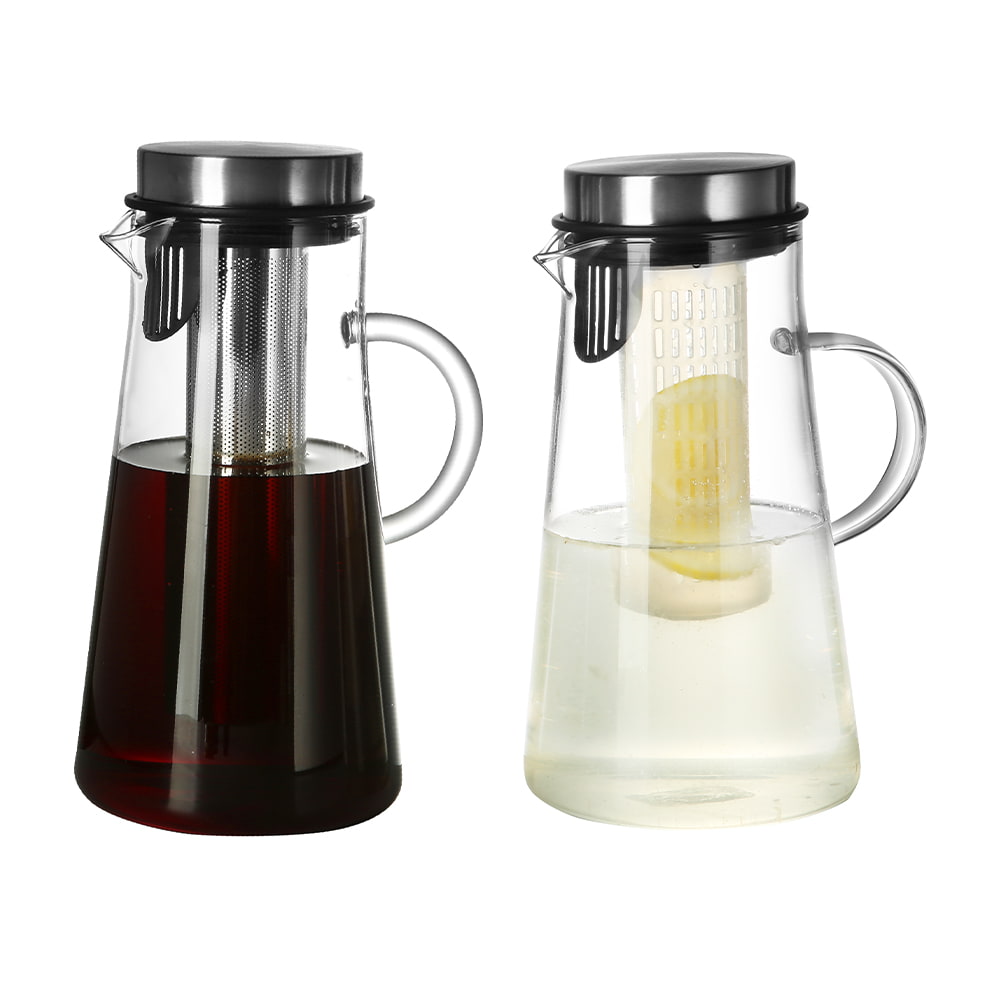
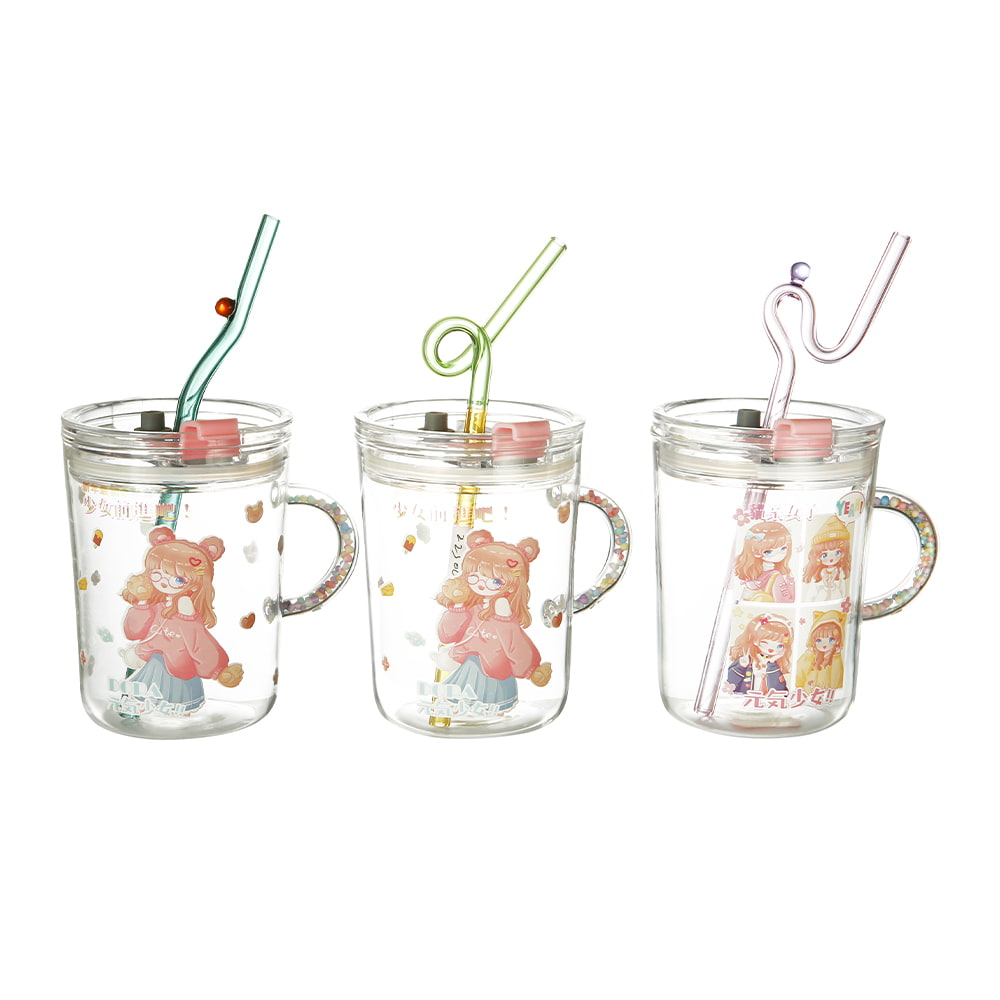
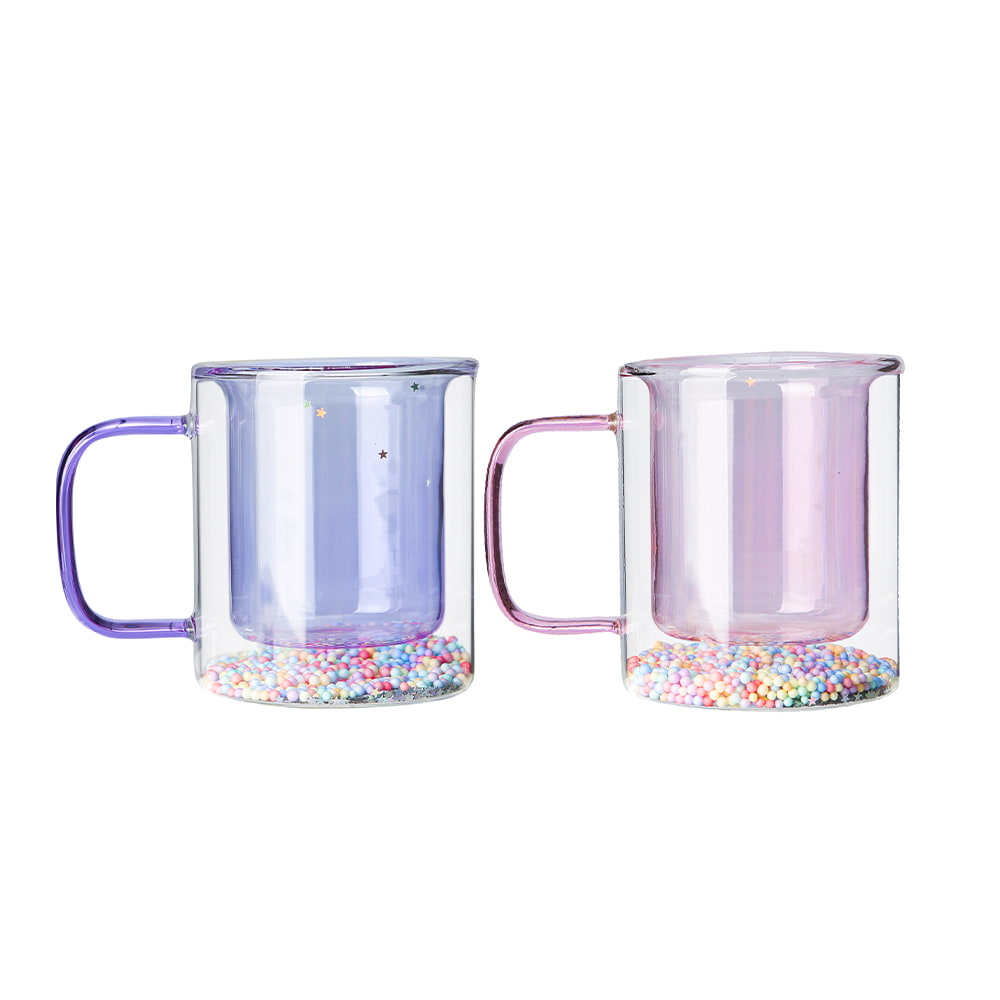
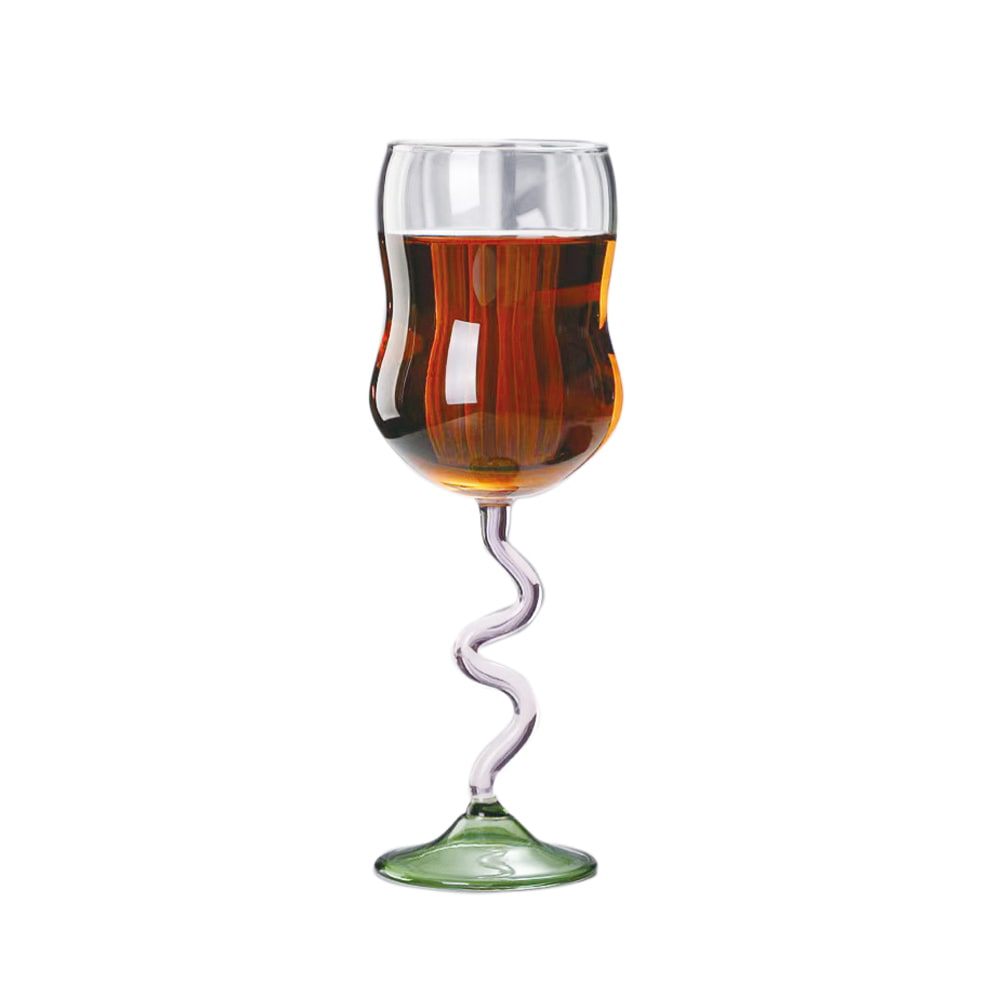
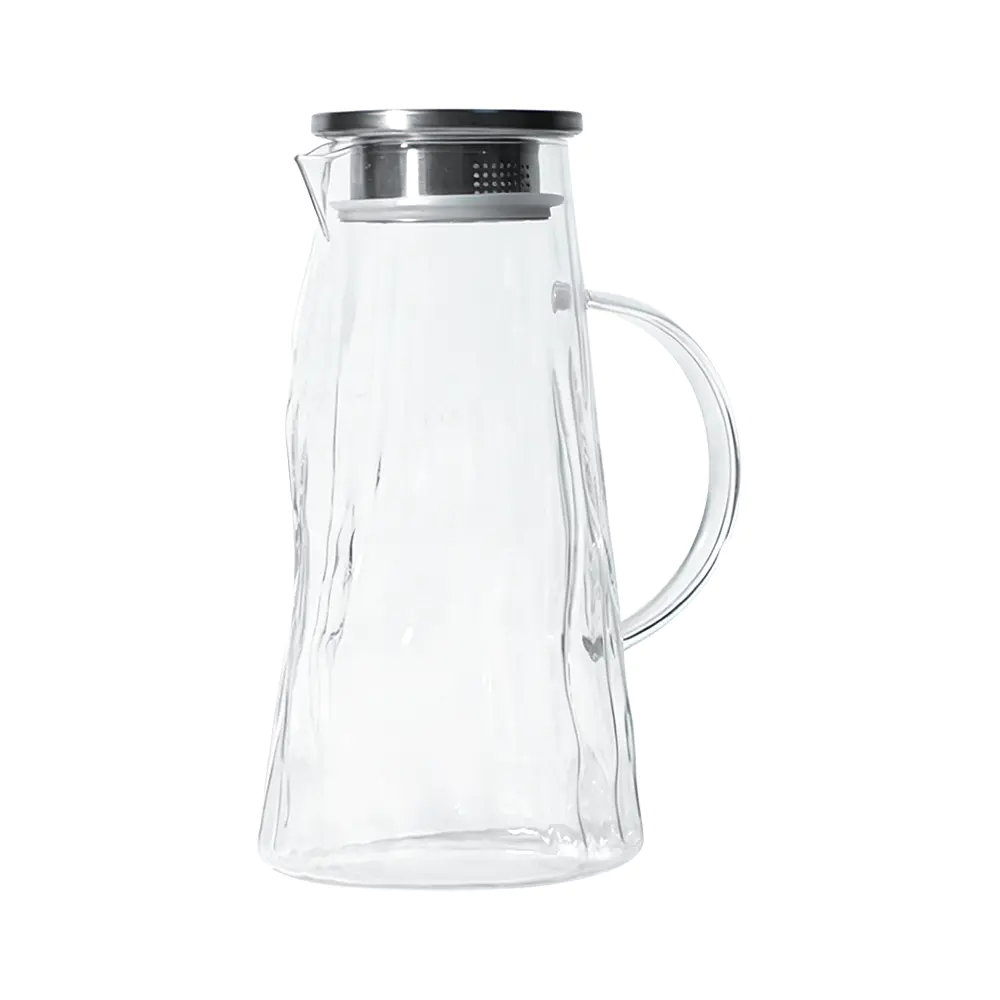
Hervidor de vidrio de borosilicato
DX250417015
Contenido
Before picking a method, it helps to understand what you are actually fighting. Apple flesh contains an enzyme called polyphenol oxidase (PPO). The moment a knife breaks through the skin, the enzyme contacts oxygen in the air and triggers a chemical reaction called enzymatic browning. The brown color is a group of pigments called melanins — harmless to eat, but unappealing in a lunch box.
Temperature matters too. At room temperature, PPO is highly active and browning can begin within 10–15 minutes of slicing. Cold temperatures slow the enzyme significantly, which is why refrigeration is always part of a good packing strategy.
There are four practical ways to disrupt the browning process, and you can combine more than one for the best result:
Acid lowers the pH of the cut surface below the range where PPO is active (roughly below 4.0). Lemon juice is the most common choice. A study published in the Journal of Food Science found that a 1% citric acid solution reduced browning by over 80% compared to untreated apple slices. You do not need much: toss the slices with a teaspoon of lemon juice per apple, or dilute lemon juice 50/50 with water for a milder flavor.
Other acid options include pineapple juice (naturally high in citric acid), orange juice, or a dilute apple cider vinegar rinse. Of these, lemon juice gives the most neutral flavor impact and the strongest protection.
Dissolving one-quarter teaspoon of salt in two cups of cold water and soaking apple slices for three to five minutes is one of the most effective anti-browning tricks available. The sodium ions interfere with PPO activity directly. In informal testing by food science educators at America's Test Kitchen, a light salt water soak outperformed both plain water and honey water in keeping slices fresh for up to eight hours. Rinse briefly under cold water after soaking if you prefer minimal salt taste.
One surprisingly effective low-tech approach: core the apple, slice it into wedges, then press the wedges back together into their original apple shape and secure with a rubber band. Without a treatment, the slices pressed together have much less surface area exposed to air, and browning is noticeably slower. This method is popular for kids' lunch boxes because it requires no liquid and the apple looks whole until the rubber band is removed.
Mix one tablespoon of honey with one cup of water and soak slices for 30 seconds. Honey contains glucose oxidase, an enzyme that consumes oxygen locally, plus it creates a light coating that limits air contact. Research from Brigham Young University found that a honey solution delayed browning for up to eight hours — comparable to commercial anti-browning products. The slices pick up a subtle sweetness that most people enjoy.
| Method | Effectiveness (hrs) | Flavor Impact | Best For |
|---|---|---|---|
| Lemon juice toss | 4–6 hrs | Slight tartness | Adults, snack platters |
| Salt water soak | 6–8 hrs | Minimal if rinsed | All ages, overnight prep |
| Honey water dip | 6–8 hrs | Mild sweetness | Kids' lunch boxes |
| Reassemble method | 3–4 hrs | None | Quick packing, young kids |
| Pineapple juice soak | 4–5 hrs | Tropical sweetness | Kids who enjoy fruit combos |
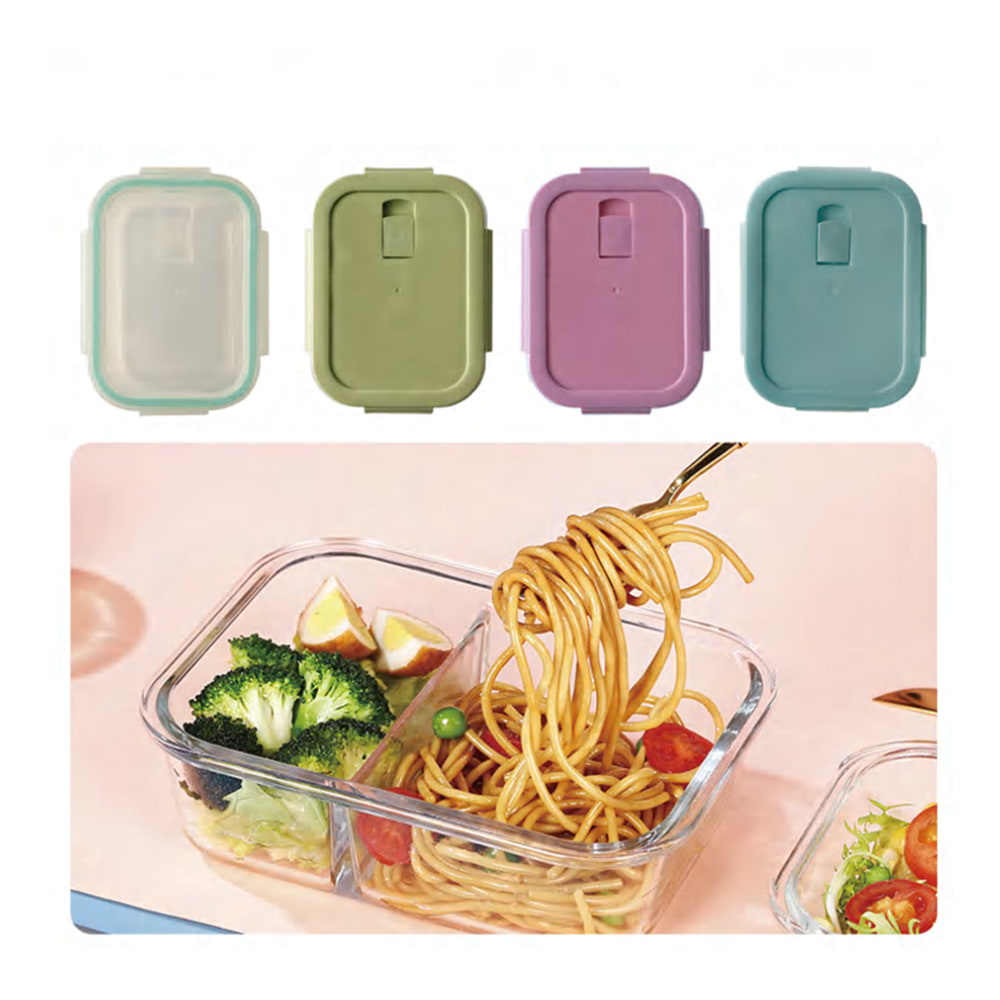
How you cut the apple influences how long it stays fresh almost as much as the treatment you use. Thicker slices have less total exposed surface area per gram of apple, which means slower browning and less moisture loss. Aim for slices around 8–10mm thick rather than paper-thin cuts.
A dull knife crushes cell walls instead of cutting cleanly. Crushed cells release more PPO and juice, accelerating browning. A sharp chef's knife or a dedicated apple slicer-corer tool (the kind that stamps through the whole apple in one push) gives the cleanest cut. If you use an apple slicer, the resulting wedges are uniform in thickness, which helps them fit neatly inside a lunch box without rolling around.
The seed cavity and the fibrous core tissue brown faster than the surrounding flesh. Removing them gives the slices a cleaner look in the lunch box and reduces the most reactive cut surfaces. Use a melon baller or the tip of a paring knife to scoop out any remaining core tissue from wedges.
The less time between cutting and sealing in a lunch box, the better. If you are packing lunch in the morning, slice the apple last — after everything else is already in the bag. If you are prepping the night before (perfectly fine with a salt water soak or honey dip), dry the slices thoroughly before placing them in an airtight container. Excess moisture in the container makes the apple flesh soft by lunchtime.
Whether you used a liquid treatment or just rinsed the slices, always pat them dry with a clean paper towel or kitchen towel before placing them in the container. A layer of standing moisture speeds up oxidation and softens the texture. Dry slices also stack and nest more cleanly inside a compartmentalized lunch box.
The container is the last line of defense against browning and sogginess. The goal is to minimize the air pocket above the slices, keep the slices cold, and prevent them from absorbing odors or leaking juice onto other lunch items.
A small airtight container with a snap or lock lid is ideal. Fill it as full as possible — a half-empty container traps more air, which means more oxygen reacting with the apple. If the container is too large for the portion, add a crumpled piece of damp paper towel to fill the space and help maintain humidity without waterlogging the slices.
Glass containers with silicone-sealed lids are excellent for odor prevention and easy cleaning. Plastic containers with locking lids (like those from OXO or Sistema) are lighter and better suited to children's lunch boxes where weight matters.
A lunch box with dedicated compartments — such as a bento-style box — lets you pack apple slices in one section while keeping dips, sandwiches, and other items separate. This prevents the apple juice from soaking bread and keeps each item at the right texture by lunchtime. Popular bento-style lunch boxes from brands like LunchBots, Bentgo, and Monbento have compartment sizes well-suited to a half-apple's worth of slices.
If your lunch box does not have built-in compartments, a small silicone cupcake liner or a reusable zip bag inside the main compartment works as a divider for the apple slices.
Cold temperature is one of the most effective browning inhibitors available. Keep sliced apples below 40°F (4°C) until eaten. In a lunch box, this means including at least one ice pack. A frozen gel pack placed directly above the apple container (so cold air sinks onto it) maintains safe food temperatures for four to six hours according to USDA food safety guidelines. For very long school days or hot climates, use two ice packs.
Not all apples brown at the same rate. Variety makes a meaningful difference, and choosing a naturally slow-browning apple can reduce how much anti-browning treatment you need. The browning rate depends on the concentration of PPO and phenolic compounds in the flesh.
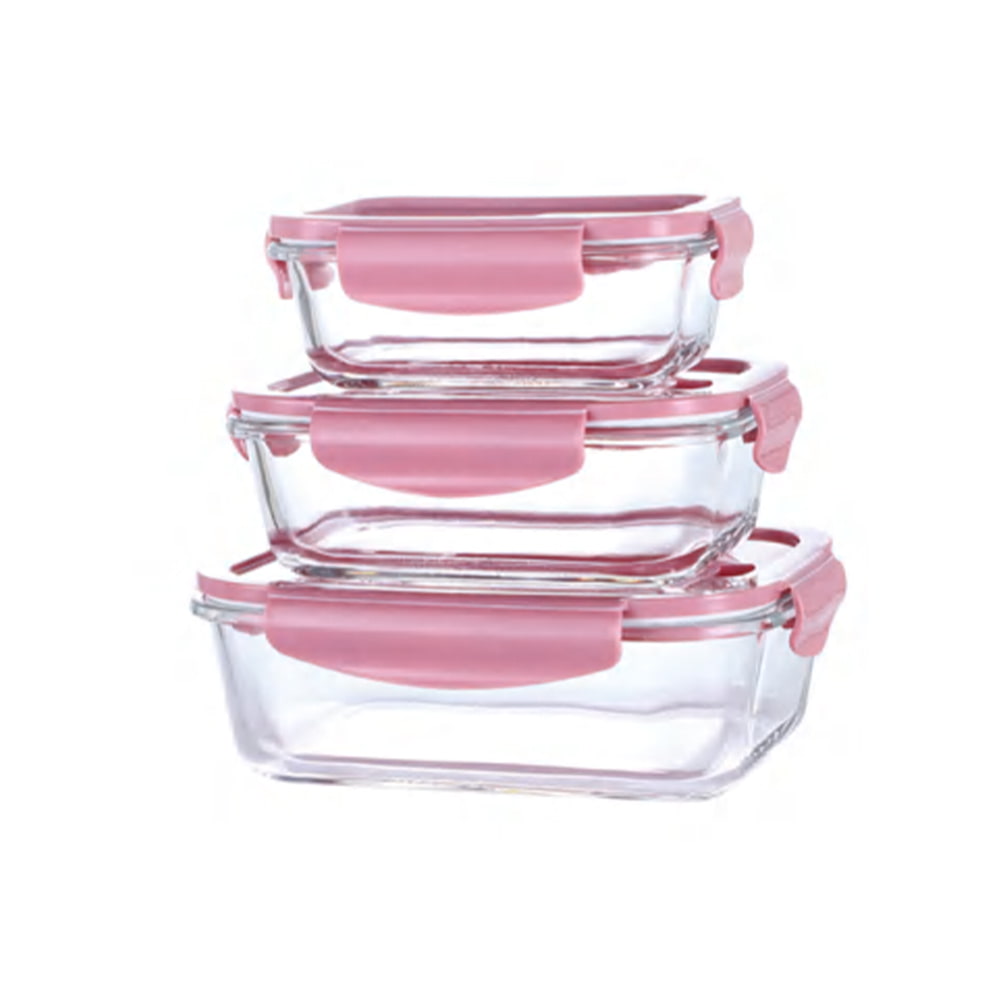
Night-before prep is a major time-saver on busy school and work mornings. With the right technique, slices prepared 10–12 hours in advance are nearly indistinguishable from freshly cut ones when the lunch box is opened at noon.
Apple slices become a more satisfying and nutritious lunch component when paired with a protein- or fat-rich dip. The combination adds staying power and makes the fruit feel like a complete snack rather than an afterthought. The key in a lunch box is to pack the dip separately to prevent the apple slices from sitting in liquid and getting soggy.
The classic pairing. Pack two to three tablespoons in a small silicone dip cup or a dedicated sauce container. Natural nut butters can separate in warm conditions, so stir well the night before and refrigerate the portion cup alongside the apple slices.
Mix plain Greek yogurt with a teaspoon of honey and a pinch of cinnamon. The protein content is significant — about 10 grams per half-cup serving — and the tang complements sweet apple varieties like Fuji or Gala particularly well. Keep the dip cup in direct contact with the ice pack.
Plain or flavored cream cheese (cinnamon, honey walnut) spreads thickly and stays in place on a slice without dripping. A one-ounce portion packs well in a small container and does not require stirring. It works especially well with tart apple varieties like Granny Smith.
Rather than a dip, pair apple slices with cubes of cheddar, gouda, or Colby cheese in the same compartment or an adjacent one. The apple-and-cheese pairing is nutritionally balanced and appealing to most ages. Use a sharp or aged cheddar for the best flavor contrast with sweet apples.
A nut-free alternative for school lunch boxes with allergen policies. Sunflower seed butter has a similar consistency to peanut butter and a slightly earthy flavor that pairs well with honey-treated apple slices. Check that the brand you use is produced in a nut-free facility if allergies are a concern.
For a treat-style lunch, a small portion of thick caramel dip in a leakproof container alongside apple slices transforms the lunch box into something a child will be excited to open. Use a store-bought caramel sauce in a resealable squeeze pack, or spoon a tablespoon of thick caramel into a snap-lid container. Keep it isolated from the apple slices to prevent soaking.
Children's lunch boxes present a few unique challenges. Kids may not eat their apple slices right away, opening times vary by school schedule, and younger children often have strong preferences about texture and appearance. A brown or mushy apple slice is frequently the reason a piece of fruit comes home uneaten.
Children tend to prefer honey water treatment over lemon juice because it adds a subtle sweetness rather than tartness. The honey coating also gives the slices a slightly glossy appearance that looks more appetizing to young eaters. Use Cosmic Crisp or Fuji apples for the sweetest, crunchiest result.
For children under six, cut wedges in half lengthwise to create thin strips rather than thick wedges. Thin strips are easier for small hands to hold and do not require a large bite that can be difficult for children with loose teeth. They also pack more compactly in a small lunch box compartment.
Apple skin provides grip and structural integrity to slices. Peeled slices are slippery, harder for kids to pick up, and slightly more prone to browning since the entire surface (including the formerly protected skin side) is now exposed flesh. Unless the child actively dislikes skin, keep it on.
If you know your child's school has lunch at 11:30am rather than 12:30pm, you have more flexibility with preparation time. A light treatment and a well-sealed container can hold slices perfectly for four hours; eight-hour protection requires either a more aggressive treatment (salt water soak plus refrigeration) or a naturally slow-browning variety.
Research in pediatric nutrition consistently finds that children are more likely to eat foods they helped prepare. Having a child choose the apple variety, help press the apple slicer, or pick their dip of choice dramatically increases the odds the fruit gets eaten at school rather than traded or thrown away. Even a five-year-old can safely press an apple slicer with supervision.
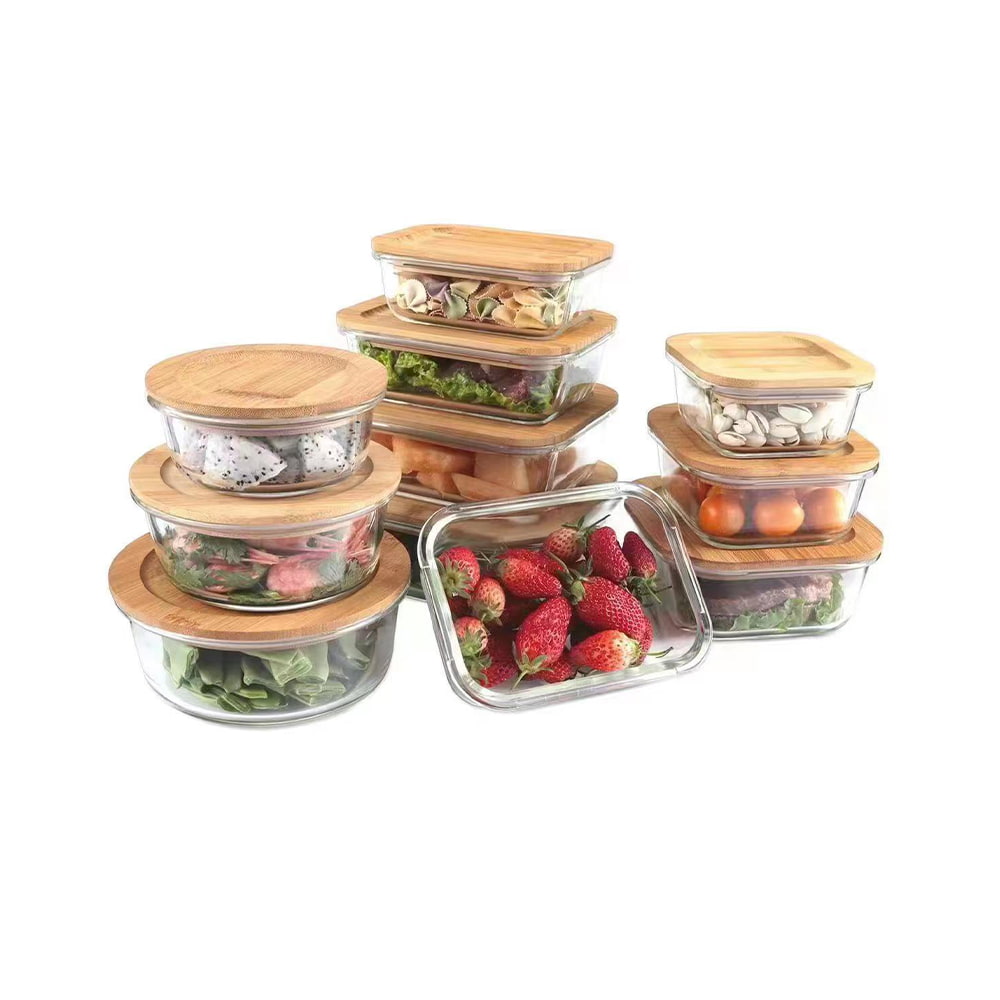
Adult lunch boxes often have access to a workplace refrigerator, which changes the calculus considerably. If you can store your lunch box in the office fridge upon arrival, browning is a minimal concern — the combination of the treatment, airtight container, and consistent refrigeration means your apple slices will be fine for a full workday.
When refrigeration is not available (working from a car, outdoor job, travel), plan for up to eight hours at ambient temperature with an ice pack and use the salt water soak method as your primary treatment.
Even experienced lunch packers make avoidable errors with apple slices. These are the most frequent problems and how to fix them:
Beyond the practical packing challenge, apple slices are one of the best foods to include in a lunch box on nutritional grounds. A medium apple (about 182 grams) provides:
For children especially, a daily lunch box apple slice portion delivers consistent fiber intake that supports healthy digestion and helps manage afternoon blood sugar levels — avoiding the post-lunch energy crash common with refined-carb-heavy school lunches.
With an anti-browning treatment (salt water soak or honey water) and an ice pack, sliced apples remain crisp and appetizing for six to eight hours in a lunch box. Without a treatment but with refrigeration, expect good quality for four to five hours. At room temperature with no treatment, browning begins within 15–20 minutes depending on the variety.
Yes — prepping slices the night before is a common and safe practice if you follow proper steps. Soak the slices in a salt water or honey water solution, dry them thoroughly, pack in an airtight container, and refrigerate. When placed in the lunch box with an ice pack the next morning, they will be safe to eat at lunch according to standard food safety temperature guidelines (keeping food below 40°F / 4°C).
The honey water dip is most popular for children's lunch boxes. It adds mild sweetness rather than tartness (unlike lemon juice), is very easy to prepare, and provides six to eight hours of protection. Mix one tablespoon of honey with one cup of water, soak for 30 seconds, drain, and dry before packing.
Yes, but choose companions carefully. Citrus segments, grapes, and blueberries pack well alongside apple slices. Avoid placing sliced apples next to high-ethylene fruits like bananas, pears, or plums in the same compartment — ethylene gas accelerates ripening and softening, even through thin container walls. If the lunch box has separate compartments, this is less of a concern.
Peeled apples brown faster than unpeeled apples because the skin acts as a natural protective barrier against oxygen. If you peel slices for a young child, use a more robust treatment (salt water soak) and ensure the container is packed as airtight as possible. For older children and adults, leaving the skin on is strongly recommended for both freshness and nutritional value.
A small, rigid airtight container is best. Look for one that fits the slices snugly with minimal air space. Silicone-sealed glass containers are excellent for odor prevention and durability. For children's lunch boxes, lightweight plastic containers with locking lids (such as those from Sistema or OXO Tot) are practical. Avoid zip bags — they allow too much air contact and slices can get crushed.
Use about one teaspoon of lemon juice per medium apple. Toss the slices in the juice to coat all cut surfaces, then immediately dry them before packing. You do not need to soak them the way you would with salt water. More lemon juice does not improve protection proportionally — it mainly adds more tartness that many people (especially children) find off-putting.
Yes. Apple cider vinegar works as an anti-browning treatment because of its acidity. Use a very dilute solution — about one teaspoon of apple cider vinegar mixed with one cup of water — and soak for two to three minutes. The flavor impact is more pronounced than with lemon juice for most people, so rinse briefly after soaking if you use this method for a child's lunch box.
If your household regularly packs apple slices for lunch boxes and you find yourself spending time on anti-browning treatments, Cosmic Crisp apples can be genuinely worth the premium price. Their natural resistance to browning means you can skip the treatment entirely for lunches up to four to five hours away, saving prep time. They also have an exceptionally crunchy, dense texture that holds up well during transit in a lunch box.
Sogginess comes from two sources: excess moisture from the treatment, and condensation inside a sealed container. To prevent it: dry the slices completely after any liquid treatment, use a container sized to the portion (less air = less condensation), and keep the slices cold with an ice pack (cold air holds less moisture than warm air). A small piece of paper towel placed inside the container can absorb any residual condensation.
Productos recomendados
DX250417015